
Why Some Rooms Feel Colder Than Others During Winter
Have you ever noticed that one room in your home feels comfortable while another stays noticeably colder during winter? Uneven temperatures are common in homes and can have several possible causes, including drafts, insulation, window performance, airflow, and the location of a room within the house.
Windows and doors can play an important role in winter comfort. If a room has older or poorly performing windows, cold outdoor air and heat transfer may make the space feel colder than the rest of the home.
Understanding why some rooms feel colder can help homeowners identify possible sources of the problem and determine whether improvements to the home's windows or doors may be worth considering.
Why Are Some Rooms Colder Than Others?
A home does not always maintain exactly the same temperature in every room. Differences in room size, location, insulation, airflow, windows, doors, and heating distribution can all affect comfort.
Some common reasons for a cold room during winter include:
Drafts around windows or doors
Poor insulation
Older windows
Air leaks
Uneven heating distribution
Rooms located above garages or near unconditioned spaces
Large exterior walls or windows
Poorly sealed doors
Heating system limitations
Because several factors can contribute to a cold room, it is important to look at the entire space rather than assuming the heating system is always responsible.
Can Windows Make a Room Feel Colder?
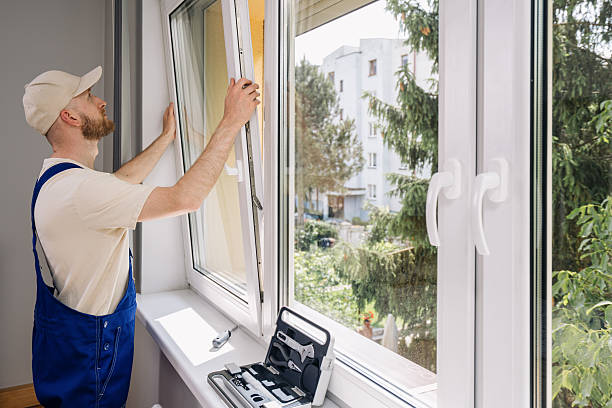
Yes. Windows are one area where homeowners may notice a difference in winter comfort.
Older or inefficient windows can allow more heat transfer between the inside and outside of the home. Cold glass can also make the area immediately around a window feel uncomfortable.
Drafts can make the situation even more noticeable. If outdoor air enters through gaps around a window frame, homeowners may feel cold air even when the heating system is running.
Homeowners who are evaluating their options can explore energy-efficient windows as part of a broader approach to improving winter comfort.
How Drafts Affect Winter Comfort
A draft occurs when unwanted outdoor air enters the home through gaps or openings. Windows and exterior doors are common areas where air leakage may become noticeable.
You may notice drafts as:
Cold air around window frames
Cold spots near exterior doors
Curtains moving near windows
A room that feels cold even when the thermostat is set comfortably
Temperature differences between rooms
Increased difficulty maintaining consistent indoor comfort
Not every cold room is caused by a draft, but identifying air movement can help narrow down the possible source.
Can Old Windows Cause Uneven Temperatures?
Older windows can contribute to uneven temperatures when their insulation, seals, or overall performance is no longer meeting the needs of the home.
For example, a room with several older windows may feel colder than an interior room with fewer exterior openings. A bedroom located on an exterior wall may also experience different conditions from a centrally located room.
The age of the window alone does not determine its performance. Its condition, construction, glass, frame, installation, and surrounding area can all influence how it performs during winter.
How Insulation Affects Cold Rooms
Insulation helps slow heat transfer between conditioned indoor spaces and the outdoors. If a room has inadequate insulation, heat may escape more easily during winter.
Areas that can sometimes require closer attention include:
Exterior walls
Attics
Floors above garages
Areas around windows
Areas around exterior doors
Older additions
If a cold room has both insulation concerns and older windows, homeowners may need to consider both areas when looking for ways to improve comfort.
Why Are Rooms Near Windows Often Colder?
Rooms with large exterior windows have more direct contact with outdoor conditions than rooms with fewer openings.
During winter, the temperature difference between indoors and outdoors can make poorly insulated or older windows more noticeable. A homeowner may therefore feel that the room is colder even when the thermostat indicates the desired temperature.
Replacing inefficient windows is one possible improvement homeowners can explore. The Window People offers replacement windows designed to provide homeowners with options when existing windows no longer meet their needs.
Can Doors Also Make a Room Feel Colder?
Exterior doors can affect the comfort of nearby rooms, particularly when there are gaps around the door, worn weatherstripping, or other areas where outdoor air can enter.
A door that does not seal properly can allow cold air into the home and create noticeable temperature differences near the entry area.
Windows and doors should therefore be considered together when evaluating winter comfort. Homeowners can explore windows and doors to learn more about options for improving these important parts of the home's exterior.
How Heating Distribution Affects Room Temperature
A cold room is not always a window or insulation problem. Heating distribution can also affect temperatures throughout the home.
Factors that may influence heating distribution include:
Distance from the heating source
Closed or restricted vents
Room size
Airflow
Thermostat location
HVAC system performance
Changes to the home's layout
If only one room feels unusually cold, it may be useful to consider whether airflow or heating distribution is contributing to the issue.
What Can Homeowners Do About a Cold Room?
The first step is to identify why the room is colder.
Homeowners can look for visible signs such as drafts around windows and doors, damaged seals, condensation, gaps, or other areas where outdoor conditions may be affecting comfort.
It can also be useful to compare the cold room with other rooms in the house. If the cold room has older windows, more exterior walls, or an exterior door, those features may provide clues.
If the windows are old, difficult to operate, visibly damaged, or drafty, replacement may be worth discussing.
Can New Windows Help a Cold Room?
New windows can make a difference when existing windows are contributing to drafts or unwanted heat transfer. However, the results depend on the condition of the existing windows, installation, insulation, heating system, and other characteristics of the home.
A window replacement project should therefore be based on the specific needs of the property rather than assuming that every cold room requires new windows.
The Window People can help homeowners explore window options and determine whether replacement windows may be appropriate for their home.
When Should You Consider Replacing Windows?
Homeowners may want to evaluate their windows if they notice:
Persistent drafts
Cold areas around windows
Difficulty opening or closing windows
Damaged frames
Aging seals
Condensation concerns
Rooms that consistently feel colder
Concerns about overall home energy efficiency
These signs do not necessarily mean that replacement is required. A professional evaluation can help determine whether the windows are contributing to the problem.
Improve Winter Comfort With The Window People
Uneven room temperatures can have several causes, but windows and doors are important areas to consider when a room feels consistently colder during winter.
Drafts, aging windows, air leakage, insulation, and heating distribution can all influence indoor comfort. Identifying the specific cause can help homeowners make a more informed decision about potential improvements.
For homeowners considering an upgrade, The Window People provides window and door options designed to address different home needs.
Book a Window and Door Consultation
If one or more rooms in your home remain colder than others during winter, it may be worth evaluating the windows, doors, insulation, and heating conditions in those areas. Contact us to discuss your home's window and door needs and explore available options.
Frequently Asked Questions
1. Why is my bedroom colder than the rest of my house?
A bedroom may feel colder because of its location, exterior walls, windows, insulation, airflow, or heating distribution. Older or drafty windows can also contribute to discomfort.
2. Can old windows make a room colder?
Yes. Older windows may contribute to heat transfer or drafts depending on their condition, construction, seals, and installation.
3. How can I tell if my windows are causing a draft?
Cold air around the frame, noticeable temperature differences near the window, or persistent cold spots may indicate a draft. A professional evaluation can help identify the source.
4. Do doors affect room temperature?
Yes. Exterior doors with gaps, damaged seals, or poor weatherstripping can allow cold outdoor air into the home and affect nearby areas.
5. Will replacement windows make my home warmer?
Replacement windows may improve comfort when existing windows are contributing to drafts or unwanted heat transfer. Overall results depend on the home's insulation, heating system, installation, and other factors.
6. Should I replace windows if only one room is cold?
Not necessarily. A cold room can have several causes. It is better to identify the source of the temperature difference before deciding whether window replacement is appropriate.
7. How can I improve winter comfort in my home?
Start by identifying drafts, insulation issues, heating distribution problems, and the condition of windows and doors. Addressing the specific source can help improve overall comfort.


