
How Much Heat Escapes Through Old Windows and Doors in Winter?
When winter arrives, homeowners often notice higher heating bills, cold rooms, and drafts around windows and doors. Older windows and doors can contribute to heat loss because they may provide less effective insulation and allow unwanted air movement around the home.
Understanding how heat escapes through older windows and doors can help homeowners recognize when improving their home's windows and doors may support better comfort and energy efficiency.
Why Do Old Windows and Doors Lose Heat in Winter?
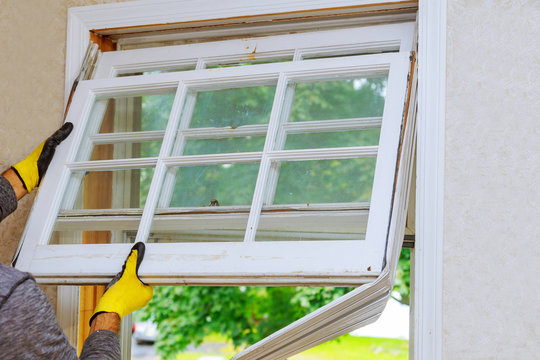
Windows and doors are important parts of a home's exterior envelope. During winter, the difference between indoor and outdoor temperatures can make areas with weaker insulation more noticeable.
Older windows and doors may contribute to heat loss through several factors, including:
Gaps or air leaks around frames
Aging seals and weatherstripping
Less effective glass insulation
Older window construction
Poor installation or deterioration around the opening
Doors that allow cold air to enter around their edges
When warm indoor air meets a colder window or door surface, heat can move toward the colder exterior. Air leaks can make the problem even more noticeable by allowing outdoor air into the home.
How Much Heat Can Escape Through Old Windows?
There is no single percentage that applies to every home. The amount of heat lost through windows depends on factors such as the age and condition of the windows, glass construction, frame materials, installation quality, air leakage, and the home's overall insulation.
Rather than focusing on one number, homeowners should look for signs that their windows may be contributing to winter heat loss.
Cold glass, noticeable drafts, condensation, and rooms that remain uncomfortable even when the heating system is running can all indicate that the home's windows deserve closer attention.
What About Heat Loss Through Doors?
Exterior doors can also affect winter comfort. A door that does not seal properly can allow cold outdoor air to enter around the frame or beneath the door.
Door performance can depend on the door material, glass components, weatherstripping, frame condition, and installation.
Homeowners considering improvements can explore energy-efficient windows and doors to understand the available options for improving comfort and efficiency.
How Drafts Make a Home Feel Colder
Heat loss is not only about the temperature of the glass. Air movement can make a room feel significantly less comfortable.
A draft occurs when outdoor air enters through gaps or openings around a window or door. This can create noticeable cold spots, particularly near exterior walls and openings.
Common signs of drafts include:
Cold air near window frames
Cold spots around exterior doors
Curtains moving when there is no obvious indoor airflow
Rooms that feel colder than the rest of the home
Difficulty maintaining a comfortable indoor temperature
If drafts are occurring around older windows, replacing them may provide an opportunity to address both the window itself and the surrounding installation.
How Window Age Can Affect Winter Comfort
The age of a window does not automatically determine how well it performs. However, older windows may have features or conditions that make them less effective than newer window systems.
Over time, seals can deteriorate, frames can age, and components can become less effective. Older windows may also have glass and construction characteristics that provide less insulation than newer energy-efficient options.
For homeowners dealing with persistent drafts or uncomfortable rooms, evaluating the condition of existing windows can help determine whether repairs or replacement should be considered. Exploring energy-efficient replacement windows can also help homeowners understand what options may be available for an upgrade.
Can Replacement Windows Help Reduce Heat Loss?
Replacement windows can be an option for homeowners who are experiencing drafts, poor comfort, or concerns about the performance of older windows.
Modern replacement windows can be designed with energy efficiency and insulation in mind. The right window choice depends on the home's needs, existing window openings, climate, and other factors.
For homeowners considering an upgrade, learning more about replacement windows can be a useful starting point before deciding whether replacement is appropriate for their home.
What Should Homeowners Look for in Winter Windows?
When evaluating windows for winter performance, homeowners can consider several factors.
Insulating Glass
The glass is an important part of a window's ability to help manage heat transfer. Energy-efficient glass can help improve the overall performance of a window.
Quality Frames
Window frames also play a role in insulation and durability. Different frame materials offer different characteristics, so homeowners should consider the window as a complete system rather than focusing only on the glass.
Proper Installation
Even a well-designed window needs proper installation. Gaps around the frame can affect comfort and allow unwanted air movement.
Sealing and Weather Resistance
Effective sealing helps reduce air infiltration around the window. This is especially important during winter when cold outdoor air can make drafts more noticeable.
Overall Energy Efficiency
Homeowners should consider the window's overall performance rather than choosing a product based on one feature alone.
How Old Windows Can Affect Heating Efficiency
When a home loses heat through windows and doors, the heating system may need to operate more frequently to maintain the desired indoor temperature.
This does not mean that replacing windows will automatically eliminate high heating costs. A home's heating efficiency depends on many factors, including insulation, HVAC performance, air sealing, home size, and weather conditions.
However, addressing inefficient or drafty windows can be one part of improving the home's overall energy performance.
Should You Replace Old Windows Before Winter?
There is no universal answer because every home is different. Replacement may be worth considering when windows are visibly deteriorated, difficult to operate, drafty, or no longer providing the level of comfort homeowners expect.
Homeowners should also consider the age and condition of their windows and doors when evaluating winter performance.
A professional assessment can help identify whether the issue is related to the window, installation, surrounding structure, or another part of the home's envelope.
When Should You Consider New Windows and Doors?
Consider having your windows and doors evaluated if you regularly notice:
Persistent drafts
Cold areas near windows
Difficulty maintaining comfortable temperatures
Damaged or deteriorating frames
Problems opening or closing windows
Aging seals or weatherstripping
Noticeable outdoor air around doors
Increasing concerns about home energy efficiency
These signs do not automatically mean replacement is necessary, but they can indicate that an evaluation is worthwhile.
Improve Winter Comfort With The Window People
Old windows and doors can contribute to unwanted heat loss and drafts during winter. While the amount of heat escaping varies from home to home, the condition, construction, installation, and energy efficiency of windows and doors can all influence indoor comfort.
The right solution depends on the home's existing windows, doors, insulation, and overall condition. For homeowners considering an upgrade, The Window People can help you explore replacement window and door options suited to your home.
Book a Window and Door Consultation
If your home feels drafty or certain rooms remain colder than others during winter, evaluating your existing windows and doors can be a useful first step. Contact us to discuss your window and door replacement needs and explore options for improving your home's comfort and efficiency.
Frequently Asked Questions
1. How do old windows cause heat loss?
Old windows may contribute to heat loss through inefficient glass, deteriorated seals, air leaks, aging frames, or other areas around the window opening.
2. Do old doors cause heat loss in winter?
Yes. Exterior doors can contribute to heat loss when they have gaps, worn weatherstripping, damaged frames, or other areas that allow cold outdoor air to enter.
3. Can replacement windows help with drafts?
Replacement windows can help address drafts when the existing windows are contributing to air leakage or poor insulation. Proper installation is also important for performance.
4. Why is one room colder than the rest of the house?
A colder room can have several possible causes, including drafts, window performance, insulation, air circulation, room location, or heating distribution.
5. Are energy-efficient windows worth considering for winter?
Energy-efficient windows may be worth considering for homeowners experiencing drafts, uncomfortable rooms, or concerns about the performance of older windows. The appropriate option depends on the home and existing windows.
6. Should I replace windows or doors first?
It depends on where the biggest comfort or performance issues are occurring. A professional evaluation can help identify which openings may need attention first.
7. Can new windows reduce heating costs?
Improving window efficiency can help reduce unwanted heat transfer, but heating costs are influenced by many factors, including insulation, HVAC efficiency, home size, and weather.


